
Write anything
Words, sentences, invented spellings, even a drawing — real practice, not worksheets.
For children aged 4–9 · learn language by writing
Our mission: make writing so much fun that every child keeps doing it — and grows into a confident writer along the way.
KindyWords helps children aged 4 to 9 learn language the way it sticks: by writing. Your child writes on paper, sends a photo from your device, and gets a short, encouraging reply: a cheer for what they wrote, and — once they're six — one gentle thing to try.
An example moment
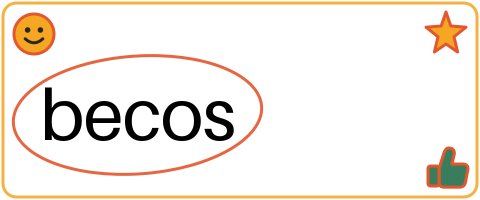
i lik it becos it is fun
What wonderful writing! ⭐ One little one to try: “like”.
See how it works
Your child writes on real paper. A story, a card, or just three wobbly words.
Sign up free at kindywords.com, then connect Telegram in a tap.
When they're done, snap a photo of the page and send it in the chat.
Soon after, a warm voice cheers them on, and their page comes back decorated with stickers.
Under six, it's all encouragement. From six, at most one gentle word to try.
Free for every child, up to 3 pages a day. KindyWords. A cheer for every page.
Getting started
Words, sentences, invented spellings, even a drawing — real practice, not worksheets.
The child photographs their writing from the parent's device and sends it to the KindyWords mentor.
Warm praise, plus one gentle thing to try once they're six. Never a wall of corrections.
What it looks like
You send the photo from your own chat. KindyWords replies three ways: a warm voice note your child can hear before they can read, their own page back with stars and stamps, and a short message with one gentle thing to try, once they're six.
The marked-up page below is real KindyWords output — generated from a synthetic writing sample, because we don't put children's real work on the internet.

What wonderful writing! ⭐ One little one to try: “because”.
Example conversation — synthetic writing, wording matched to the mentor's real reply.
It's a chat in your Telegram, on your phone — your child never has an account of their own,
and you can read every word the mentor sends. Works on iPhone, iPad, Android phones and tablets.
Who it's for
Squiggles, single letters, a first brave word. Everything is celebrated; nothing is marked. Encouragement only at this age.
Invented spelling in full bloom — "becos", "lik", and all. Warm praise plus one gentle thing to try, built on what they wrote.
Longer sentences and trickier words. Feedback stretches a little further, but the rule never changes: kindness first, at most one thing to try.
Feedback adapts to your child's age band — the mentor speaks differently to a four-year-old than to a nine-year-old.
Why KindyWords exists
Reading apps and videos pour language in. Writing is where a child pushes language out — choosing sounds, building words, making meaning — and that's where it sticks. But young writers need something rare: an endlessly patient cheerleader who celebrates every attempt and offers just one thing to try, never a page of red ink.
KindyWords was built by a parent for exactly that moment — a child's proud "becos" arriving at the fridge door, deserving a cheer rather than a correction. It's designed with early-literacy research in mind, and it carries one founding rule that will never change: if it can't read the writing clearly, it asks — it never guess-corrects.
Our promise
Young handwriting is wonderfully messy. When KindyWords isn't sure what your child wrote, it asks — your child hears “What a wonderful page! I loved reading it.” and you are asked to type what the page says — or it simply encourages another try. A confident correction is only ever given on a confident read. That rule is built into the system, not bolted on.